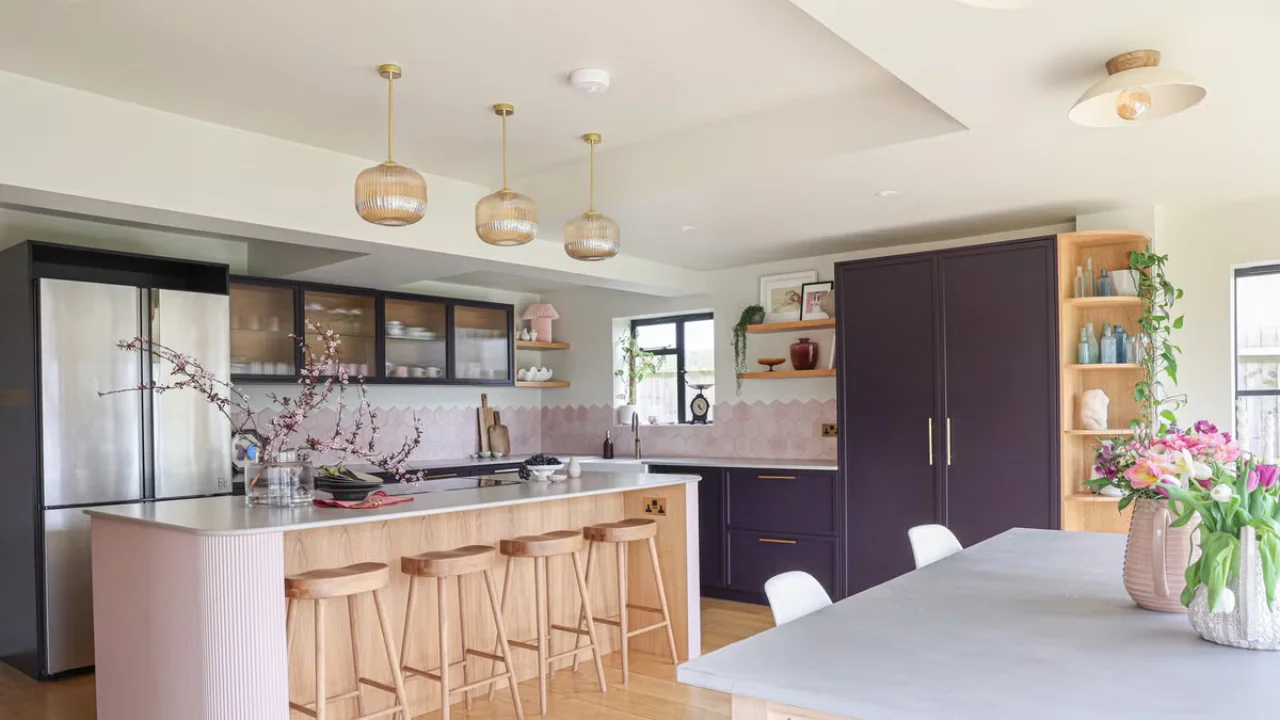
Goodbye to kitchen islands: The shift happening in 2026 kitchens starts with a surprising kind of calm. You walk into a newly designed space and instantly notice the openness. The bulky island that once dominated the center is gone, and in its place is a layout that feels lighter, easier to move through, and more connected to daily life. This change has been building for years, and now homeowners are finally ready to say goodbye to kitchen islands as the automatic centerpiece of modern interiors.
In this article, I break down what is replacing them, why this transition is happening, and how the new movement supports real living. You will see how designers are rethinking function, flow, and comfort in a way that makes kitchen islands less essential than ever before. The goal here is to give you a complete and practical understanding of this major design shift.
The New Appeal of kitchen islands Alternatives
The rise of perimeter workstations and slim peninsulas has changed the way homeowners think about kitchen layout. Instead of relying on a single large structure in the center, the new 2026 design trend focuses on opening the room, improving circulation, and giving each part of the kitchen a clear purpose. These layouts support modern habits like multi cook households, working from home, and casual hosting without crowding the space. They offer cleaner sightlines and soften the feel of the entire room. This shift has made alternatives to kitchen islands more appealing, especially for smaller and medium sized kitchens where every inch matters. In many homes, this updated approach creates a more elegant, more practical, and more human way to move through daily life.
Overview Table
| Feature | 2026 Kitchen Trend Insight |
| Room Flow | Open center space allows smooth movement |
| Visual Style | Clean lines along the perimeter instead of a central block |
| Work Zones | Dedicated areas for prep, cooking, baking, and cleaning |
| Seating Style | Flexible seating at peninsulas and wall side nooks |
| Space Use | Works well even in compact kitchens |
| Natural Light | Unbroken light flow across the room |
| Storage Design | Deep drawers and organized zones |
| Cost Efficiency | Often less expensive than large islands |
| Practical Use | Reduces stop and start movement patterns |
| Overall Feel | Calm, spacious, and more functional for daily life |
The Quiet Goodbye to the Island
For years, the island symbolized luxury and modern living. It sat proudly in the center of open floor plans, topped with stone surfaces and surrounded by barstools. Families used it for everything from meal prep to homework to entertaining. Over time, though, the limitations became clear. Islands blocked movement, created crowded corners, and became a catch all surface for clutter. As lifestyles changed, the island began to feel less like a functional centerpiece and more like an obstacle.

By 2026, homeowners started gravitating toward layouts that feel more breathable and intuitive. The new trend is not about removing beauty but about refining it. Instead of creating a stage in the middle of the kitchen, designers now shape the room around natural movement patterns. This shift allows the kitchen to be a place for real living rather than just a visual statement.
The New Heart of the Kitchen: Perimeter Workstations and Peninsulas
Perimeter workstations have become the backbone of the 2026 layout. Counters now run along the walls with smooth finishes, integrated storage, and drawers that pull out effortlessly. Each area of the kitchen is designed with intention. There is a prep zone near the sink, a baking area with lower counters, a clean up zone away from foot traffic, and a cooking station with tools organized close at hand.
The peninsula has also taken on a starring role. Unlike the island, it does not divide the room. It invites conversation without blocking movement. You can sit on one side and talk to someone cooking on the other, without feeling crowded or turning the kitchen into a stage. It works with the flow of the space instead of interrupting it.
The Sensory Shift: How These Kitchens Feel to Live In
Stepping into a perimeter based kitchen feels different. The air moves more freely. Natural light stretches across the room without a central structure stopping it. Instead of scraping chairs around an island, people move between zones with ease. Sounds soften, conversations feel more relaxed, and the room gives you space rather than demanding attention.

These kitchens are built around comfort and clarity. Organized drawers, smooth lines, thoughtful edges around sinks, and quiet storage all contribute to a sense of ease. You feel considered in the design, as if the room understands how you move, cook, and gather.
The Practical Elegance Behind the Trend
The shift away from large kitchen islands is driven by genuine practicality. Many people now cook more often or share the kitchen with others. Households with children, aging parents, or multiple cooks benefit from wider walkways and fewer obstacles. Moving the main work surfaces to the edges of the room solves common annoyances like blocked refrigerators and tight turning spaces.
Cost also plays a role. Large islands require electrical connections, extra support, and sometimes plumbing. Perimeter layouts often reduce these costs, giving homeowners room in the budget for better quality materials and long lasting storage solutions.
Designers have also embraced a cleaner visual style. Long uninterrupted counters and wall mounted cabinetry create a tailored, elegant feel. The kitchen looks intentional rather than oversized.

Why the Island Era is Ending Without Disappearing Completely
The island is not gone. It is simply no longer the default. Many homeowners choose smaller islands or movable work tables that can be tucked away when not in use. Others convert their island into a peninsula so the layout flows more naturally.
The biggest shift is philosophical. The kitchen is no longer treated only as a social gathering point. It is seen as a functional workspace that also supports connection. This allows homeowners to cook without feeling crowded and entertain without forcing everyone to gather around a single block of stone.
Designers now pay more attention to real living patterns, whether that means accommodating neurodivergent family members, multiple cooks, or kids who want a quiet spot to draw while dinner is being made.
How to Rethink Your Kitchen Without an Island
You do not need a full renovation to embrace this trend. Start by noticing how you move in your kitchen. Identify places where you bump into others or get stuck. If your island is the problem, consider reshaping it or turning it into a peninsula. You can also create clear zones by grouping tools, boards, and cookware where they are used most.

A simple seating adjustment can transform the entire room. Moving everyday seating to a wall side bench, a window table, or a slim peninsula can instantly create more space and smoother flow.
Beyond Fashion: A Trend That Might Actually Last
This trend is gaining momentum because it focuses on improving daily life. It opens space, encourages natural movement, and supports both cooking and conversation. It creates kitchens that feel personal, intuitive, and comfortable. Homeowners are discovering that practical elegance leaves a stronger impression than oversized structures ever did.
FAQs
Are kitchen islands completely out of style in 2026?
No. Large decorative islands are fading, but smaller or practical versions still fit many homes.
What is replacing kitchen islands in modern homes?
Peninsulas and perimeter workstations are now leading kitchen design because they improve movement and open the center of the room.

Do these layouts work in small kitchens?
Yes. The open center layout makes small and medium kitchens feel much larger and less cluttered.
Can I keep my island and still follow the 2026 design direction?
Yes. You can slim it down, reshape it, or convert it into a peninsula for better flow.
Are perimeter kitchens more expensive?
They are often more cost effective because they avoid the structural expenses of large islands.