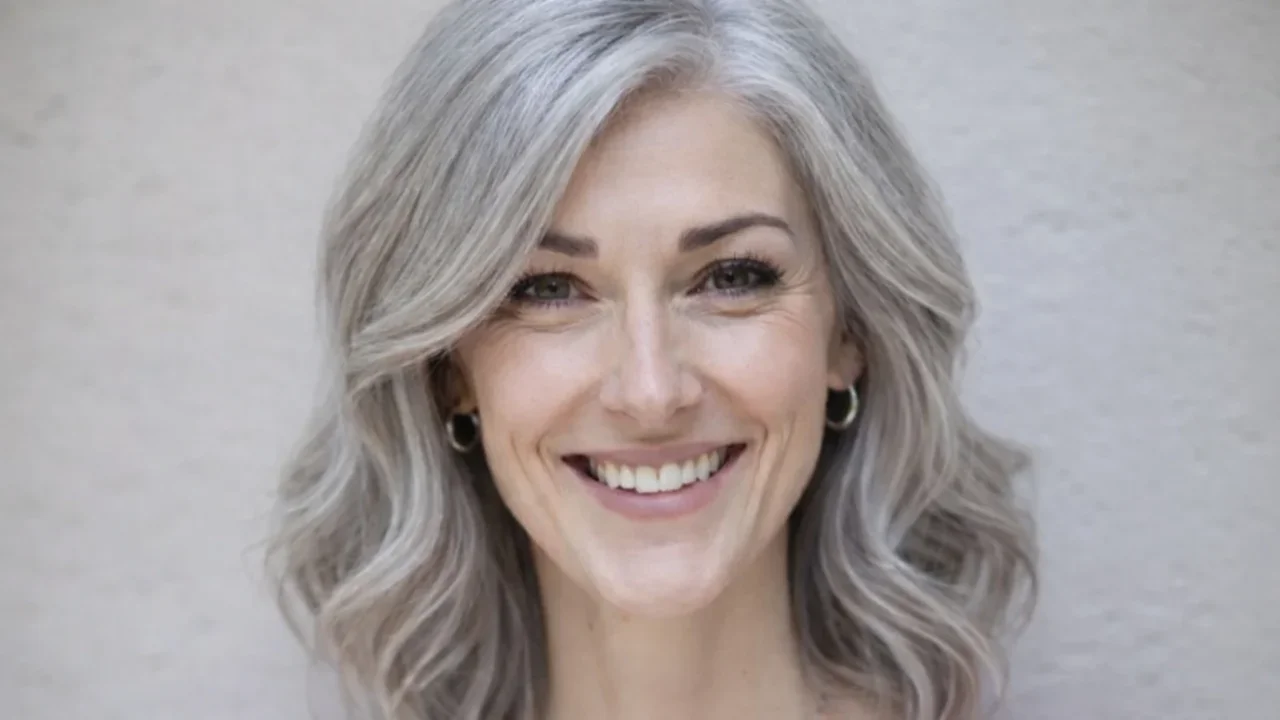
Grey Coverage: Grey coverage is no longer about hiding every silver strand. Today, it is about working with what you already have and making it look better. Salons are ditching the full-dye routine and leaning into subtle glosses, light-reflecting tones, and blending techniques that help you look naturally youthful. It is not about erasing age anymore. It is about softening it, enhancing your features, and embracing change with style.
This new approach to grey coverage is changing how people feel about getting older. Instead of feeling the pressure to touch up roots every three weeks, more people are choosing low-maintenance, natural options that help them feel confident and fresh. In this article, we will explore how modern techniques are making gray hair part of a youthful look, not something to cover up.
The Rise of Grey Coverage
Today, grey coverage means enhancing, not hiding. Gone are the days of flat, heavy dyes that try to mask every trace of silver. Now, stylists focus on blending grey strands with soft tones and highlights that reflect light and flatter your features. This approach is less about hiding age and more about using smart techniques to create a softer, more balanced look.
Modern salons use semi-permanent glosses, root shadows, and ultra-fine highlights that allow grey to blend in naturally. These methods create a lived-in finish that grows out beautifully, meaning you can go longer between appointments. The result is hair that looks healthy, modern, and effortlessly youthful. This subtle shift is helping people feel more comfortable with their changing hair without sacrificing style.
Overview Table: A Quick Look at the Grey Coverage Shift
| Key Feature | Description |
| Approach | Blending and enhancing natural greys |
| Main Tools | Semi-permanent gloss, face-framing highlights, root shadow |
| Popular Goal | “I want it to look natural, not dyed” |
| Frequency of Salon Visits | Every 8–12 weeks instead of 3–4 weeks |
| Maintenance | Purple shampoo, lightweight oil, minimal heat styling |
| Visual Effect | Soft, dimensional, youthful finish |
| Benefits | Low-maintenance, age-positive, realistic look |
| Styling Tip | Use light near the face to brighten skin tone |
| Common Mistakes to Avoid | Over-dark shades, harsh lines, ignoring haircut shape |
| Client Feedback | “I feel younger without hiding the grey” |
From Full Coverage to Gentle Camouflage
Step into a salon today and you will hear it often: “I want it to look natural.” People are not avoiding grey hair itself. They are avoiding the flat, one-tone coverage that looks artificial in natural light. Traditional dye jobs tend to hide grey but in a way that creates harsh regrowth lines and a look that feels out of touch.

Today’s stylists understand this. They reach for translucent washes, demi-permanent tones, and soft glosses that help the grey blend into your natural hair. The goal is a gentle transition that allows silvers to remain visible in the most flattering way. Grey becomes part of the style, not a flaw to cover.
A Real-Life Transformation
Karen, a 52-year-old woman from London, had been dyeing her hair every three weeks for years. She was tired of the constant upkeep and the sharp root lines. When she told her stylist she wanted the grey gone, the response was different this time. Instead of covering it all up, her stylist used a soft mushroom-brown glaze and added ultra-fine highlights near her face.
The result was stunning. The harsh contrast between color and grey was replaced with a smoky, natural blend. Karen’s hair looked refreshed and youthful, not because the grey was gone, but because it was treated with intention. Even after eight weeks, her regrowth was barely noticeable, and she felt more confident than ever.
Why Gray Blending Softens the Face
There is a reason grey blending has become so popular. Solid dark colors can draw too much attention to the face and highlight fine lines and shadows. On the other hand, grey blending uses lighter tones and gloss to add softness. When light is placed near the face, skin looks brighter, features appear more balanced, and the eye is not drawn to regrowth.
This technique, often called hair contouring, is about playing with light and depth. It moves focus away from problem areas and highlights the best parts of your face. The grey is not removed; it is integrated into the look. It is a smarter, softer way to manage changing hair.

The Modern Formula for Youthful Gray Hair
Stylists today use a combination of smart tools to help clients manage grey hair naturally. The most effective method is grey blending. This involves:
- A demi-permanent gloss to tone down stark white strands
- Subtle lowlights to add depth and dimension
- Face-framing highlights that brighten and soften the look
These small touches make a big difference. They eliminate the hard line between colored and grey hair and allow appointments to be spaced further apart. Clients are no longer locked into strict schedules and can enjoy hair that looks natural and polished without the stress.
Daily Maintenance for Grey Coverage
Keeping grey hair looking great does not require a lot of work. With the right products and habits, you can maintain that soft, natural look:
- Use a purple or blue shampoo once a week to prevent yellowing
- Apply a light oil or shine serum to smooth out coarse strands
- Avoid overusing heat styling and always use heat protection
- For quick fixes, try tinted root sprays or powders for a blended finish
Simple steps like these keep grey hair looking intentional and polished rather than messy or unkempt. Most importantly, they allow you to enjoy your hair without daily stress.
A Quieter, More Confident Shift
What makes this shift so powerful is the mindset change behind it. Instead of obsessing over every grey strand, people are focusing on the bigger picture: texture, shine, movement, and shape. The goal is not to look young at any cost but to look vibrant and well-rested.

Stylists are reporting that clients now say things like, “I want to look like myself on a good day.” Grey blending, soft gloss, and light near the face are the tools that make that happen. The result is not just better-looking hair—it is a better relationship with aging.
Common Mistakes That Undermine Results
Even with all the right techniques, some mistakes can undo your progress. Here are a few to avoid:
- Choosing shades that are too dark, which can harden your features
- Using permanent box dye too often, which creates a heavy finish
- Ignoring the shape of your cut, even when the color is good
- Overusing purple shampoo, which can make hair look dull
- Expecting one appointment to fix years of coloring mistakes
Grey coverage is a journey, not a quick fix. Taking your time to do it right makes all the difference.
Rethinking Age, Hair, and Control
This new era is not about rejecting color completely. Some people still dye their hair, but they do it with intention. Others use a light gloss to enhance their natural grey. Many find a middle ground that works for them.
When grey becomes part of the design instead of something to erase, everything changes. You are no longer trying to hide your age. You are shaping how it appears. That choice puts you in control, and it is that control that makes people feel younger, not the color alone.

FAQs
What is grey coverage, and how is it different from full dye?
Grey coverage focuses on blending grey hair with soft tones instead of hiding it completely. It gives a more natural, youthful look compared to solid dye.
How often should I go to the salon for grey coverage treatments?
With modern techniques like grey blending, you can extend your visits to every 8 to 12 weeks, depending on your hair growth and style.
Can grey blending work on coarse or curly grey hair?
Yes, with the right products like gloss and light oil, even coarse or curly grey hair can be blended smoothly and look polished.
Do I still need purple shampoo with grey blending?
Yes, using purple shampoo once a week helps maintain the brightness of your grey and prevents it from turning yellow.
Is grey blending expensive compared to regular dyeing?
It may cost a bit more per session, but the longer gap between appointments and minimal upkeep often make it more affordable overall.