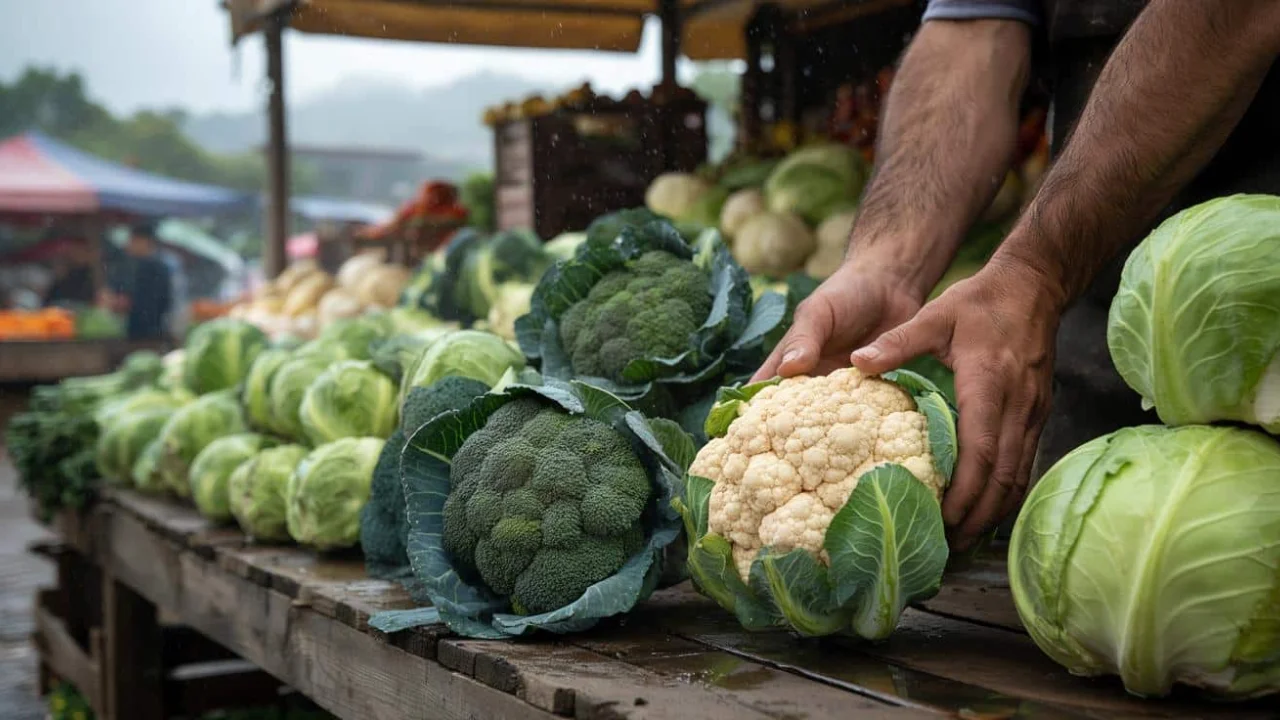
genetically the same plant: Many people do not realize that the vegetables they argue about at the dinner table are actually genetically the same plant, and this is usually the last thing anyone expects to hear. You can have one friend who refuses to touch cabbage, another who piles their plate with roasted Brussels sprouts and someone else who swears broccoli is the superior choice. Yet all these vegetables share one surprising origin. When you understand how connected they really are, the whole produce aisle suddenly feels easier to explore. This topic matters more than it seems because it changes how we shop, cook and think about our everyday meals. By looking closer at how these vegetables evolved, we discover a story that reveals how flexible a single plant species can be.
What makes this even more interesting is that these vegetables are not just related. They are varieties of the same species shaped by human choices over hundreds of years. This article takes a deep dive into that idea and explains why so many vegetables you see in stores today come from a single source. We will explore how they were bred, how to spot their similarities, how this affects nutrition debates and how understanding this helps you cook with more confidence. By the end, you will see why people argue about flavors and textures even though the vegetables are genetically the same plant from the inside out.
Focus on genetically the same plant
When we say these vegetables are genetically the same plant, we are talking about their shared species, not that they are identical or cloned. Broccoli, cabbage, cauliflower, kale, Brussels sprouts and kohlrabi all come from the same ancestor. Farmers in different regions selected specific traits they found useful. Some favored plants with tighter heads and created cabbage. Others valued big flowering buds and ended up with broccoli. Over time, this consistent selection produced vegetables that look wildly different while staying genetically unified. Understanding this helps readers make sense of why the flavor notes overlap, why they swap so easily in recipes and why their nutrition charts look more like siblings than strangers.

Overview Table
| Key Point | Explanation |
| Origin | All these vegetables come from the same species, Brassica oleracea |
| Human selection | Farmers selected traits like buds, stems and leaves over centuries |
| Visual differences | Shape varies based on which plant part was emphasized |
| Flavor connection | Similar sulfuric and sweet notes across all varieties |
| Cooking impact | Method affects flavor more than variety choice |
| Easy swaps | Most varieties work as substitutes in common recipes |
| Nutrition overlap | They share similar nutrient profiles with small variations |
| Grocery benefits | Understanding the link simplifies shopping decisions |
| Waste reduction | Swapping varieties reduces unused produce at home |
| Flexible eating | Seeing them as one plant family helps expand food choices |
Wait… cabbage, kale and broccoli are the same family drama
The idea that broccoli and cabbage share the same genetic base feels almost unbelievable at first. They look nothing alike and are often talked about as completely separate foods. Yet the story goes back to a wild coastal plant that grew along rocky European cliffs. People noticed traits they liked. Some plants had wide leaves. Some had tight heads. Others had big buds. Without modern science, farmers slowly shaped the plant into many versions that served different needs. None of these selections created a new species. They only highlighted traits that already existed within the plant.
How one tough plant turned into many vegetables
Imagine a farmer saving seeds from a plant with a slightly thicker stem. After many generations, that trait becomes strong enough to produce kohlrabi. Another group favors plants with larger buds and produces early versions of broccoli. Cauliflower comes from focusing on even tighter flower clusters. These vegetables did not appear overnight. They are the long result of patient selection. Their differences come from emphasis on specific features, not from dramatic genetic separation.
How to actually see the one plant hiding behind your vegetables
Once you know the story, your eyes start catching the similarities. Broccoli and cauliflower share the same tree-like shape and thick central stalk. Brussels sprouts look like tiny cabbage heads lined up a stem. Kale, collards and cabbage all have the same waxy leaf texture. Even when cooked, the smell and background flavor hint at their shared roots. Try roasting broccoli, Brussels sprouts and cabbage in the same seasoning. The familiar aroma and taste make the connection clear. Their variety comes from shape and texture rather than species.

Why nutrition debates sound more dramatic than they are
People love to debate which vegetable is healthier. Kale often wins on vitamins. Brussels sprouts score high on fiber. Broccoli lands in the middle with steady benefits. But since these vegetables come from the same species, their nutritional differences are small, not extreme. You benefit most by rotating them. This gives your meals variety without requiring strict tracking or intense planning. They offer nearly the same set of nutrients packaged in different textures and shapes.
Using the same plant idea to cook smarter
Once you understand that these vegetables are genetically the same plant, cooking becomes easier. You do not need new recipes every time you switch varieties. Broccoli can replace cauliflower in a bake. Shredded Brussels sprouts can stand in for cabbage in a slaw. Kale can fill in for collards in soups. The key is to adjust cooking time so everything softens evenly. This approach reduces waste, saves money and builds confidence in the kitchen.
Two important cooking tips
- Flavor depends more on preparation style than the specific vegetable variety.
- Swapping one brassica for another keeps meals flexible without losing nutrition.
The quiet relief of knowing your plate is simpler than it looks
Understanding that many vegetables are versions of one species makes the grocery store feel less overwhelming. Half the produce aisle turns into a simple family of foods rather than a confusing list of separate choices. You might learn that the vegetable you thought you hated was only cooked poorly in the past. Or you might discover that a variety you never tried is just another expression of a plant you already enjoy. This knowledge helps you be more open, more curious and less intimidated when planning meals.

FAQs
Are these vegetables literally genetically identical?
No. They share the same species but have small variations created through selective breeding.
Why do broccoli and kale taste different if they come from the same plant?
Farmers emphasized different traits. Broccoli shows large buds while kale focuses on leafy growth, which changes flavor and texture.
Is one brassica vegetable the healthiest?
They all offer strong nutrients. Differences exist, but eating a mix over time is the best approach.

Can I swap these vegetables in most recipes?
Yes. Most swaps work well if you adjust the cooking time to match the texture.
Are other vegetables also related like this?
Yes. Mustard greens and some radish varieties show similar patterns, but brassicas are the clearest example.